
A Tool Born in Paris — Getting to Know the Sennelier Pastel Pencil
An artist's guide to handling, working with, and falling in love with a medium more than a century in the making.
There is something quietly thrilling about picking up a tool that connects you to a lineage of artists stretching back to nineteenth-century Paris. The Sennelier Pastel Pencil is that kind of tool. It sits in your hand with the familiar confidence of a pencil, yet the moment it touches paper, you know immediately that something richer is happening. This is not a coloured pencil. It is not a pastel stick. It is something singular and understanding what makes it different is key to getting the most from it.

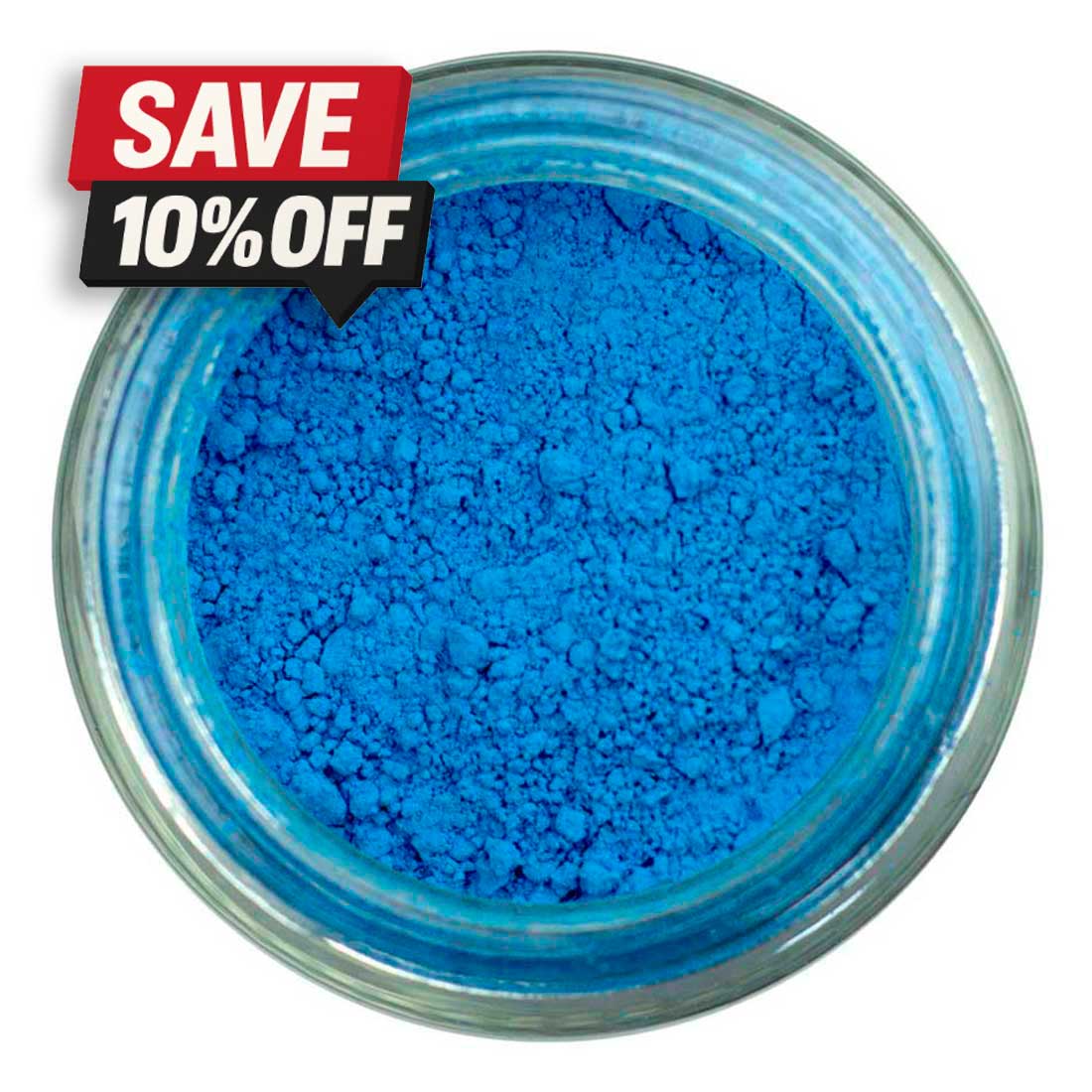
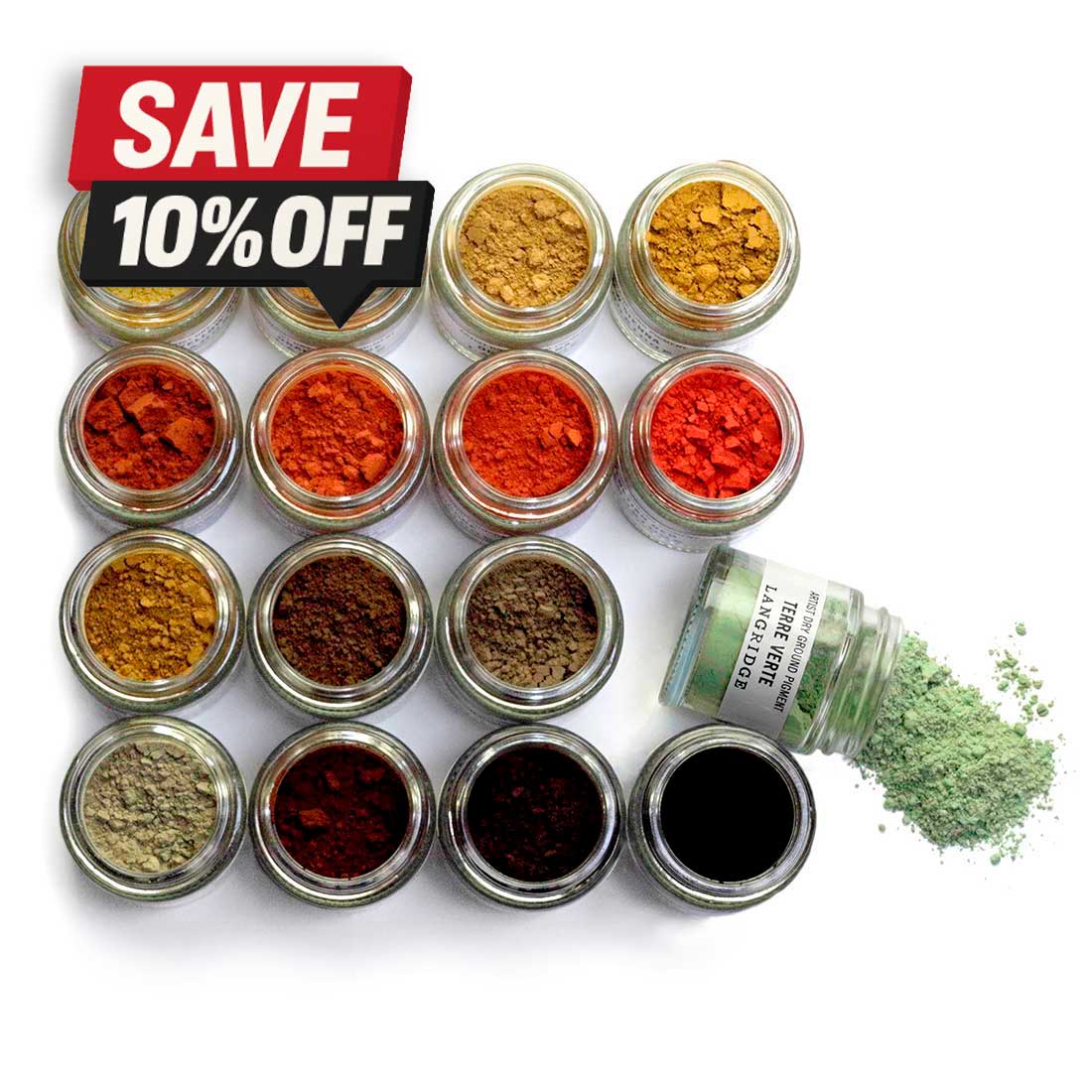
Raw Dry Ground Pigment conveniently available in 120ml jars from Langridge Colour. Only the most superior pigments are sourced from around the world.
A Legacy Worth Knowing
In 1887, Gustave Sennelier opened a small colour shop on the Quai Voltaire, steps from the École des Beaux-Arts in Paris. His clients included Cézanne, Gauguin, and Picasso, artists who demanded materials that matched their ambitions. In 1905, Gustave developed an unusual pastel form: wood-free, conical, and densely pigmented, bridging the precision of a pencil with the expressive richness of a pastel stick. It was ahead of its time, and like many visionary ideas, it quietly disappeared. Now, 120 years later, Sennelier has brought it back, refined, expanded to 48 colours, and developed in close collaboration with working professional artists. That history matters, not just as a story to tell, but because it explains why this pencil feels so different in practice.
1. Precise machinery and artisan handmade skills work in partnership. 2. Glueing the brush tip into the metal ferrule to secure it before adding the handle.
What You're Actually Holding
The first thing to understand is that there is no wood here. Unlike a traditional coloured pencil, the Sennelier Pastel Pencil is a solid column of pure semi-soft pastel pigment, all the way through, protected by a paper wrapper that you peel back as you work. At 7.5mm in diameter, it is substantially thicker than a standard pencil core, giving you more usable pigment and a grip that feels substantial and secure. That paper wrapper serves a practical purpose beyond protecting your hands: it means sharpening in the traditional sense is largely unnecessary. Instead, the recommended approach for fine work is to refine the tip on a sheet of fine sandpaper, a technique that gives you extraordinary control over the point's shape. For broader coverage, simply peel back the wrapper further and work the stick on its side, or break the pencil into shorter pieces and use the body for wider, more gestural marks.Artists who have worked extensively with these pencils describe the experience of using them on their side as particularly distinctive, the absence of a wood barrel means you can angle the pencil almost flat to the paper and still produce clean, controlled strokes. Think fine branches in a landscape, the edge of a lock of hair, the subtle grain of shadow across fabric. The pencil's firmness supports all of this with a precision that softer pastel pencils simply cannot match.

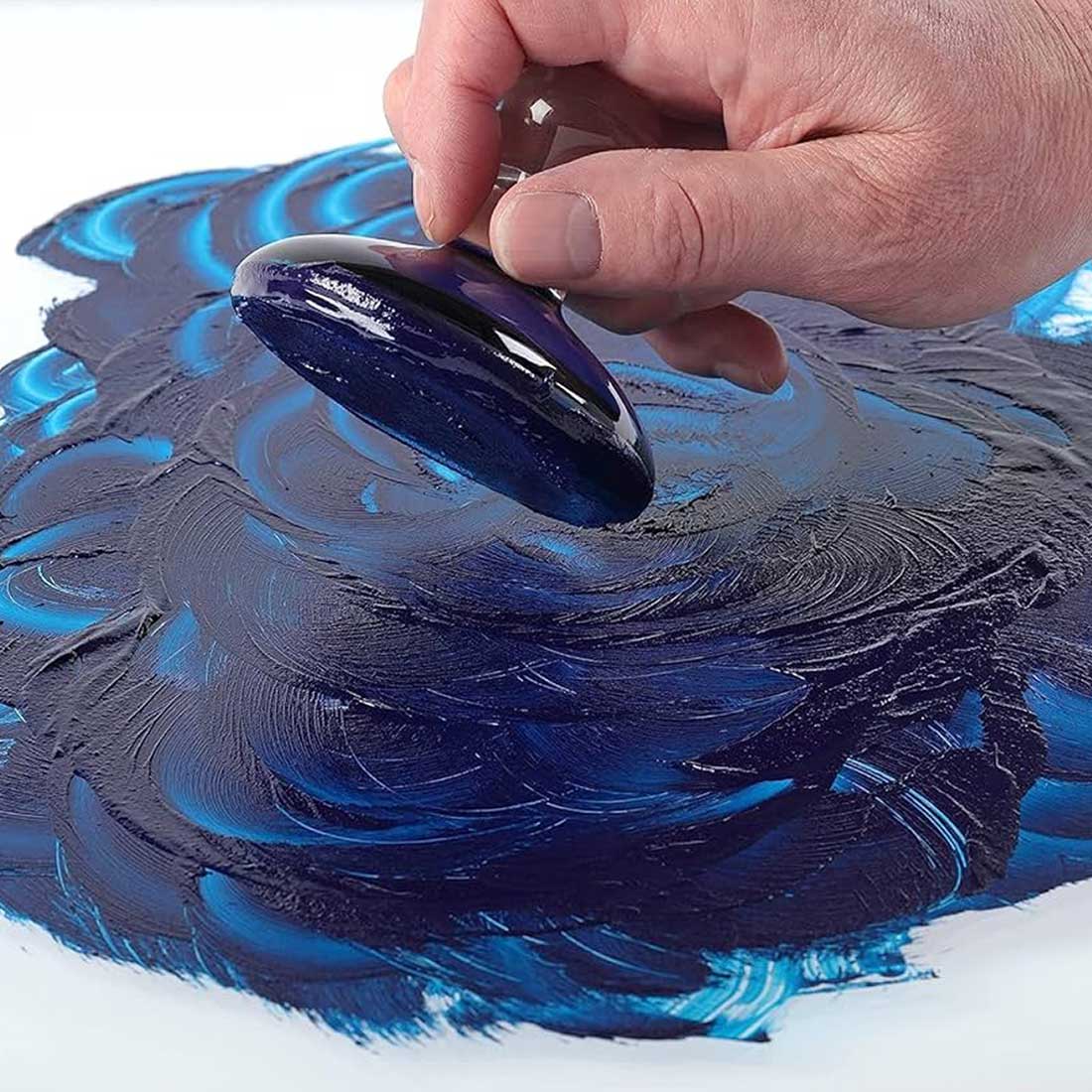
A professional glass muller and slab are used to combine the dry pigment and binder medium in their simplest form to create colour.
Handling, Layering and Blending
When you first draw with the Sennelier Pastel Pencil, resist the instinct to apply heavy pressure. These pencils are highly pigmented, they reward a light, confident hand. The semi-soft consistency strikes a deliberate balance: firm enough to hold a sharp point and lay down crisp, fine lines, yet soft enough to blend and layer smoothly across the paper's tooth. They behave differently from a typical soft pastel stick. They do not blend like oil, and they are not intended to flood a surface quickly. Think of them more in the way you might think of a hard pastel or Conté crayon, disciplined, layerable, capable of remarkable subtlety. Build tone in gradual passes, using the tip for line and detail, the side for broader mid-tones. Layering works beautifully: colours interact with each other through multiple applications without muddying, and the semi-soft formula creates less dust than conventional soft pastels, making the working experience notably cleaner in the studio.For fine, precise work, portrait detail, botanical rendering, architectural sketching, the pencil holds its point remarkably well. Artists have noted that common pastel pencils from other brands, even when freshly sharpened, are often too soft for truly fine detail. The Sennelier manages a crispness that opens up a different register of mark-making in pastel work.

Surfaces, Pairings and Practical Advice
These pencils perform well across a variety of surfaces: traditional pastel paper, sanded grounds, toned papers, and illustration boards all respond well. They integrate naturally with broader pastel media, many artists find them ideal for adding refinement and detail over a ground established with PanPastel, pastel sticks, or even soft pastel powder. The pencils do not overwhelm what is already on the surface; they sit into it.
Below are a few practical notes worth keeping in mind as you work.
On sharpening: Use fine sandpaper rather than a blade or standard sharpener, which risks cracking the stick. A gentle circular motion on the sandpaper gives you excellent control over the point's shape.
On storage: The paper wrapper protects both the pencil and your fingers; keep it intact until you need to peel it back for broader mark-making.
On coverage: For large areas of flat tone, these pencils are not the right tool, use a broader pastel medium for ground-laying, and bring the Sennelier pencils in for building, refining, and finishing.
On mixing: Note colour names with a fine-tip marker on the wrapper of individual pencils, since the label does not always include the colour name, helpful for reordering specific shades.
Artisan vs Commercial Manufacture
The Sennelier Pastel Pencil is, at its best, a precision instrument for artists who work with pastel and want more from the medium. It does not try to replace the sweep and immediacy of a soft pastel stick. Instead, it occupies its own creative territory, one that rewards patience, careful observation, and a genuine curiosity about what pastel can do when it is asked to be precise. One hundred and twenty years is a long time to wait for a tool to come back. It turns out it was worth it.
Explore the full range of 48 colours, available as individual pencils and sets.
The Unique Benefits of Making Your Own Paint

Creating paint by hand offers several compelling advantages:
1. Control over consistency: from stiff, buttery paint to fluid, enamel-like mixtures.
2. Pigment integrity: using pure pigment without fillers or extenders.
3. Customisation: adjusting oil content, texture and drying behaviour.
4. Enhanced colour experience: many artists report greater depth and vitality in handmade paint.
5. Connection to process: a deeper understanding of how materials behave on the surface.
6. Perhaps most importantly: it fosters a more intentional approach to painting. When you’ve made the paint yourself, every brushstroke carries a greater awareness of the material beneath it.
A Return to Material Awareness
In an age of convenience, the act of making one’s own paint is both a practical and philosophical choice. It reconnects the artist with centuries of tradition while offering a highly personal way to shape the painting process. Whether used occasionally or as a core practice, artisan paint making invites a deeper appreciation of colour, not just as something applied, but as something created.
Discover The Range Now
Glass Mullers | Slabs | Tools
Langridge Dry Pigment
Langridge Pigment Sets
Mediums For Paint Making

Artist Raw Materials
Escoda
Escoda Brush Sets

Da Vinci
NEEF
Parkers
Omega
Old Holland
Tintoretto
Subscribe to our Newsletter
The latest news, events and stories delivered right to your inbox